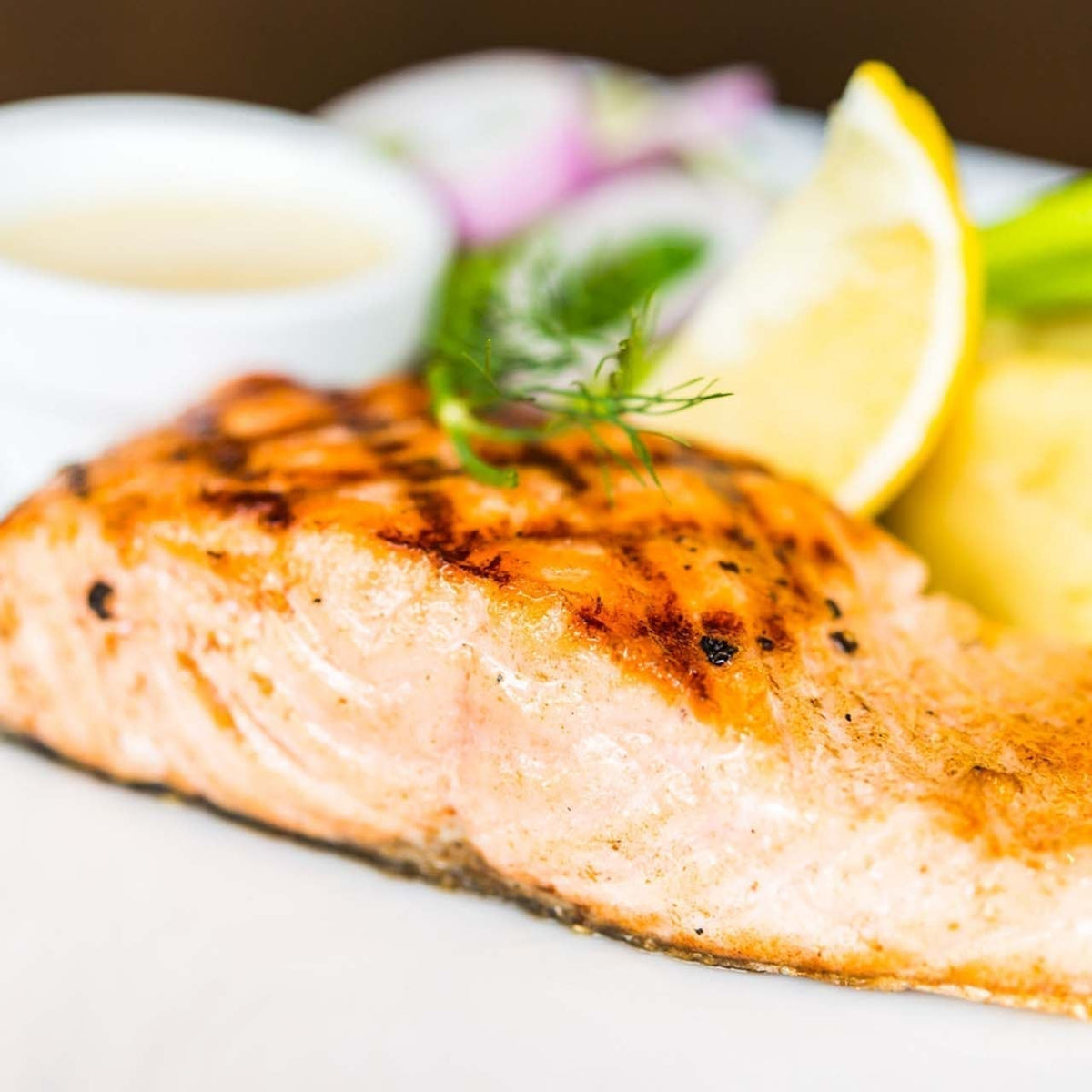
Unlocking the Secret to Restaurant-Quality Crispy Skin Pan-Seared Salmon at Home
Imagine a dish so exquisite it could grace the menu of any fine dining establishment, yet so simple to prepare it seamlessly fits into your busiest weeknights. We're talking about perfectly cooked, flaky salmon with a golden, shatteringly crispy skin. For years, this seemingly elusive culinary feat has intimidated home cooks, but the truth is, mastering the art of
pan seared salmon with that irresistible crispy skin is surprisingly straightforward. It's not about complex techniques or exotic ingredients; it's about understanding a few fundamental principles and embracing patience. This comprehensive guide will demystify the process, empowering you to create delicious, healthy meals that impress every time.
Forget rubbery textures or stuck-on skin. We're here to reveal the secrets that transform a humble salmon fillet into a buttery, flavorful experience, crowned with a crackling exterior. Get ready to elevate your dinner game – once you master this technique, you'll never look back. For a deep dive into mastering this specific technique and achieving that coveted crunch, check out our guide on
Crispy Skin Pan-Seared Salmon: Easy Restaurant Quality in 15 Mins.
The Golden Rules: Heat, Patience, and the Science of Crispy Skin
The cornerstone of exceptional
pan seared salmon with crispy skin lies in two non-negotiable elements: a piping hot pan and unyielding patience. Many home cooks are tempted to fuss with their food, flipping it prematurely or moving it around the pan. Resist this urge! The magic of truly crispy salmon skin unfolds when it's left undisturbed.
Here’s why these rules are paramount:
- The Hot Pan: A sufficiently preheated pan (ideally cast iron, though a heavy-bottomed stainless steel will also work) is crucial for initiating the Maillard reaction – the chemical process responsible for browning and developing complex flavors. When the salmon skin hits a hot surface, it immediately begins to crisp, rather than steam. Aim for your oil to shimmer, not smoke, indicating optimal temperature.
- Skin-Side Down First: This is a non-negotiable step. The skin acts as a protective shield for the delicate flesh, insulating it from the direct heat and allowing it to cook gently and evenly. It also renders the fat in the skin, which is essential for that coveted crispy texture.
- The Power of Patience: Once the salmon is skin-side down, your job is to step back. Moving the fish too soon will inevitably tear the skin, prevent even browning, and likely cause it to stick. As the skin crisps and renders, it will naturally release from the pan when it’s ready. This usually takes around 4-6 minutes, depending on the thickness of your fillet. Trust the process; the salmon will tell you when it’s time to flip.
- The Pressing Trick: An initial gentle press with a fish spatula for about 10-15 seconds when you first place the salmon in the hot pan can make a significant difference. This simple action ensures maximum contact between the entire surface of the skin and the hot pan, preventing the edges from curling up and ensuring uniform crispness across the whole fillet.
Crafting Flavor: Essential Ingredients for Your Pan-Seared Salmon
While you can technically cook salmon with just oil and salt, a few carefully selected ingredients can elevate your dish from good to unforgettable. The Mediterranean influence, in particular, lends itself beautifully to salmon, offering a balance of savory, aromatic, and zesty notes. And if you're keen to infuse your kitchen with vibrant, healthy flavors, discover more about
Mediterranean Pan-Seared Salmon: Zesty, Healthy Weeknight Dinner.
The Star of the Show: Salmon Fillets
Look for skin-on salmon fillets, ideally about 4-6 ounces each and roughly 1 to 1.5 inches thick. Thinner fillets will cook faster and may be more prone to drying out, while very thick ones will require longer cooking times. Sourcing matters: opt for fresh, wild-caught salmon when possible for superior flavor and texture, though responsibly farmed salmon is also an excellent choice. Ensure the skin is intact and looks healthy.
The Flavor Boosters: Seasoning Beyond Salt and Pepper
A simple dry rub can transform your salmon. Classic Mediterranean choices like dried oregano, garlic powder, and paprika provide a warm, savory, and slightly smoky depth that complements the richness of the fish. Always include a generous amount of salt and freshly ground black pepper to enhance all the other flavors. For an extra kick, consider adding a pinch of dried chili flakes or a touch of cumin.
The Foundation: Choosing Your Oil
Extra virgin olive oil is an excellent choice for pan searing salmon. Despite common misconceptions, high-quality extra virgin olive oil has a relatively high smoke point, especially when used correctly (preheating the pan and then adding the oil just before the food). Its fruity notes also add to the overall flavor profile. Alternatively, a neutral oil like avocado oil or grapeseed oil can also work well. The key is to use enough oil to coat the bottom of the pan, but not so much that the salmon is swimming in it.
The Bright Finish: A Squeeze of Lemon (or Lime)
Do not skip the lemon. A fresh squeeze of lemon juice at the end is an absolute game-changer. Its bright acidity cuts through the richness of the salmon, lifts the savory spices, and adds a refreshing counterpoint. Lime juice can also be used for a slightly different, equally delightful citrusy tang.
The Fresh Touch: Optional Add-Ins
Baby arugula, with its peppery bite, is a fantastic, light accompaniment that adds freshness and a touch of bitterness to balance the dish. Other fresh herbs like chopped parsley or dill can also be sprinkled on top for extra aroma and visual appeal.
The Step-by-Step Method: Achieving Pan-Seared Salmon Perfection
Now, let's walk through the exact steps to achieve that perfect crispy-skinned
pan seared salmon that will make you feel like a culinary genius.
- Prepare the Salmon: The single most crucial step for crispy skin is to thoroughly pat your salmon fillets dry on all sides using paper towels. Moisture is the enemy of crispiness. Once dry, sprinkle all over with salt and black pepper. In a small bowl, mix your chosen spices (e.g., 1 ½ tablespoons dried oregano, 1 tablespoon garlic powder, ¾ teaspoon paprika). Rub this spice mixture generously onto the flesh side of each salmon fillet.
- Preheat the Pan: Place a large, heavy-bottomed skillet – ideally a cast iron skillet – over medium-high heat. Allow it to preheat for several minutes until it’s hot enough. You can test by flicking a few drops of water onto the pan; if they sizzle and evaporate immediately, it's ready.
- Add the Oil: Once the pan is hot, add about 1-2 tablespoons of extra virgin olive oil, just enough to coat the bottom. Wait for the oil to shimmer slightly, but ensure it doesn't start smoking aggressively. If it smokes too much, the heat is too high.
- Sear Skin-Side Down: Turn the heat down to medium-low. Carefully place one salmon fillet, skin-side down, into the hot oil. Immediately press down on the top of the fillet with a fish spatula or the back of a spoon for about 10-15 seconds. This ensures even contact and prevents the skin from curling. Repeat with any additional fillets, ensuring not to overcrowd the pan (cook in batches if necessary).
- The Waiting Game (4-6 Minutes): Do not touch or move the salmon! Let it cook undisturbed until the skin is beautifully golden brown, crisp, and has naturally released from the pan. You'll see the flesh begin to cook up the sides, turning opaque. This typically takes 4-6 minutes, depending on the thickness of your fish. If the skin is sticking, it simply means it needs more time to crisp up and release.
- The Quick Flip and Finish: Once the skin is perfectly crisp and the salmon has released, carefully flip the fillet using your fish spatula. Cook on the flesh side for just another 15-30 seconds to finish cooking through. Salmon is best when cooked to medium, where it's still slightly translucent in the center (around 125-130°F internal temperature). Overcooking will dry it out.
- Serve Immediately: Remove the salmon from the pan and serve immediately. A final squeeze of fresh lemon juice over each fillet is essential.
Beyond the Pan: Elevating Your Pan-Seared Salmon Experience
Your perfectly cooked, crispy-skinned
pan seared salmon is a star in its own right, but pairing it with complementary sides and sauces can transform it into a complete gourmet meal.
*
Simple Sauces: A quick lemon-garlic butter sauce made in the same pan after removing the salmon can add incredible richness and flavor. Simply add butter, minced garlic, a splash of white wine or chicken broth, and a final squeeze of lemon juice. A fresh dill sauce or a vibrant pesto also make excellent companions.
*
Accompaniments: Roasted asparagus, green beans, or broccoli are fantastic healthy choices that cook quickly. A bed of fluffy couscous, quinoa, or a light rice pilaf can absorb the delicious pan juices. For a refreshing contrast, a simple side salad with a vinaigrette dressing is always a good idea.
*
Troubleshooting Tips: If your skin isn't crisping, ensure your pan was hot enough, the salmon was thoroughly dry, and you weren't moving it. If it sticks, give it more time; it will release once properly crisped. If the flesh is dry, you've likely overcooked it – aim for a quicker finish on the flesh side.
Conclusion
The secret to mastering perfect crispy skin
pan seared salmon is now yours. By understanding the critical roles of a hot pan, patient cooking, and thorough preparation, you can consistently achieve restaurant-quality results in your own kitchen. This easy yet elegant technique not only yields incredibly delicious and healthy salmon but also builds confidence, transforming your weeknight dinners into something truly special. So, grab your skillet, choose your freshest fillet, and prepare to impress yourself and your loved ones with this culinary triumph.